
 River Oaks Golf Club on Grand island was the lovely setting for an important Niagara River Greenway Rotary Steering committee Pollinator Corridor discussion.
Twenty-one Rotarians and friends, from Buffalo, Buffalo Sunrise, Kenmore, and the Tonawandas Satellite club, learned about the importance of pollinators and native pollinator plants.
Greg Stevens, (RC Tonawandas Satellite, Executive Director at Niagara River Greenway Commission) posed the opening question: “What have we learned so far in our effort to create pollinator gardens?” He noted that youth engagement changes the dynamics and wondered “What inspires younger generations to become involved?” One notable answer is including youth in our efforts to do such things as trail cleanups and mural painting in appropriate spaces.
A recap from each of the clubs that have created various types of Pollinator Gardens followed, explaining both successes and what could be done differently.
- Larry Coon (RC Kenmore) related the story about an active garden built in collaboration with the University of Buffalo Rotaract students club at Niawanda Park that is a raised bed garden needing little watering and is of a manageable size.
- Jerry Kelly (RC Buffalo) spoke about engaging the newly formed Canisius U. Rotaract Club. Working with Prof. Erin Robinson this Spring, 20 Rotaractors were engaged in planting 94 native plants near the newly redeveloped Ralph Wilson Park.
- Sherry Miller (RC Grand Island) commented on putting more and more native plants in an existing garden bed near the library which does include some non-native plants.
- Barbara Ochterski (RC Buffalo Sunrise) spoke about their efforts at Towpath Park along the Niagara River where compost was spread and 235 native pollinator plants were recently planted to bloom in succession throughout the seasons.
- Barbara Ochterski, Greenway Rotary Steering Committee co-chair
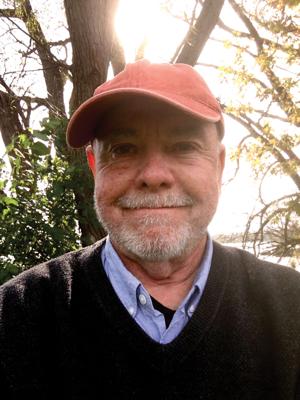 A highlight of the evening was a presentation by Jay Burney (Executive Director of the Pollinator Conservation Association) referencing Aqua Lane Town of Tonawanda Park at the river. He detailed efforts there resulting in several large pollinator habitats . This park is particularly significant because it overlooks ecological restoration works at the river, which is a designated “rare place” on the planet. He stated that “Rivers are Nature's best hope for survival” and informed participants that there are certain types of native pollinator plants specific to this area. Burney advised the group that if they were considering developing a garden to create a short and long-term plan for scheduling plantings. Burney also noted the importance of signage to alert people to the fact that the plants are not weeds but important for the survival of insect, butterfly, and bird species. He noted that it takes 4 to 6 years to establish and regenerate a successful garden.