

The Coaching Concept
Participant Feedback
"Excellent Session."
"Great reminder of active listening and empathy."
"A valuable learning session."
"Love this and hope to use it with my employees at work."
"Excellent group practice and a lot of fun."
"Best feedback I've received from the AG Group in my 3 years as AG Coordinator."
"It was enlightening. Focused on active listening which is a skill that is essential."
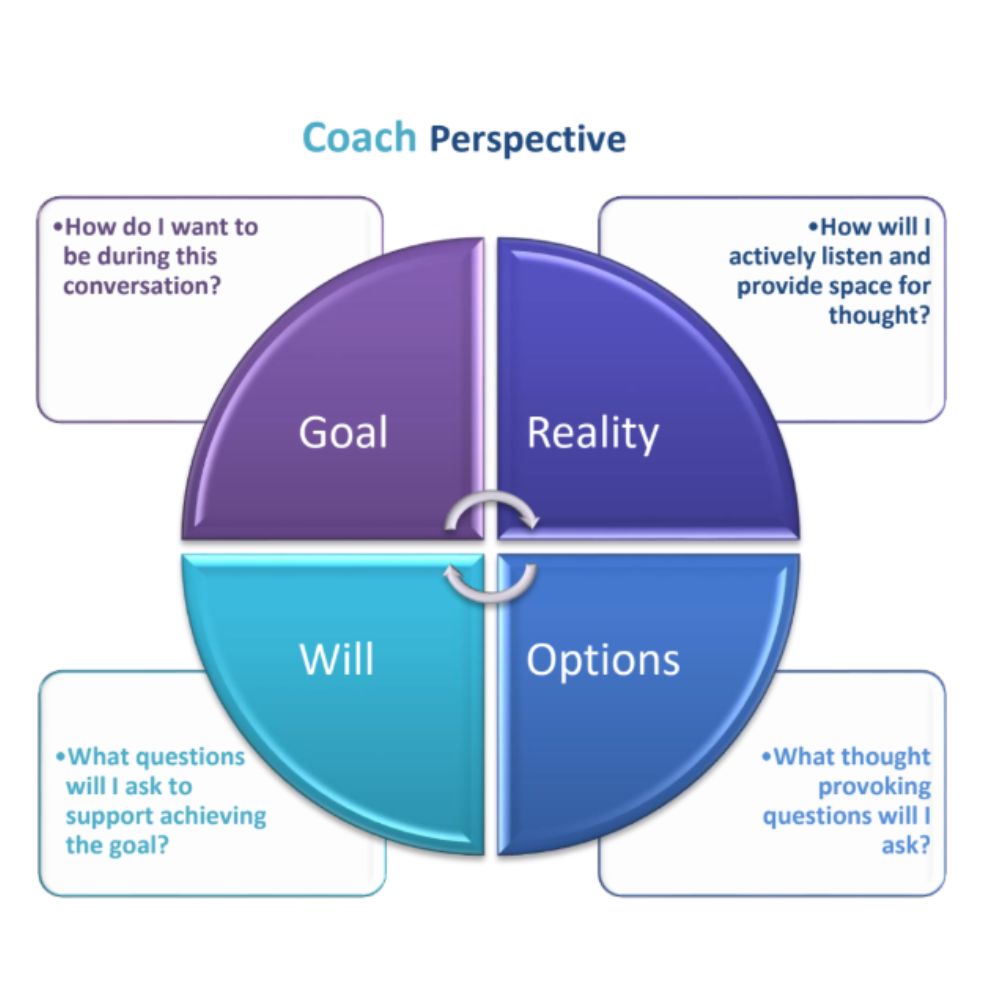
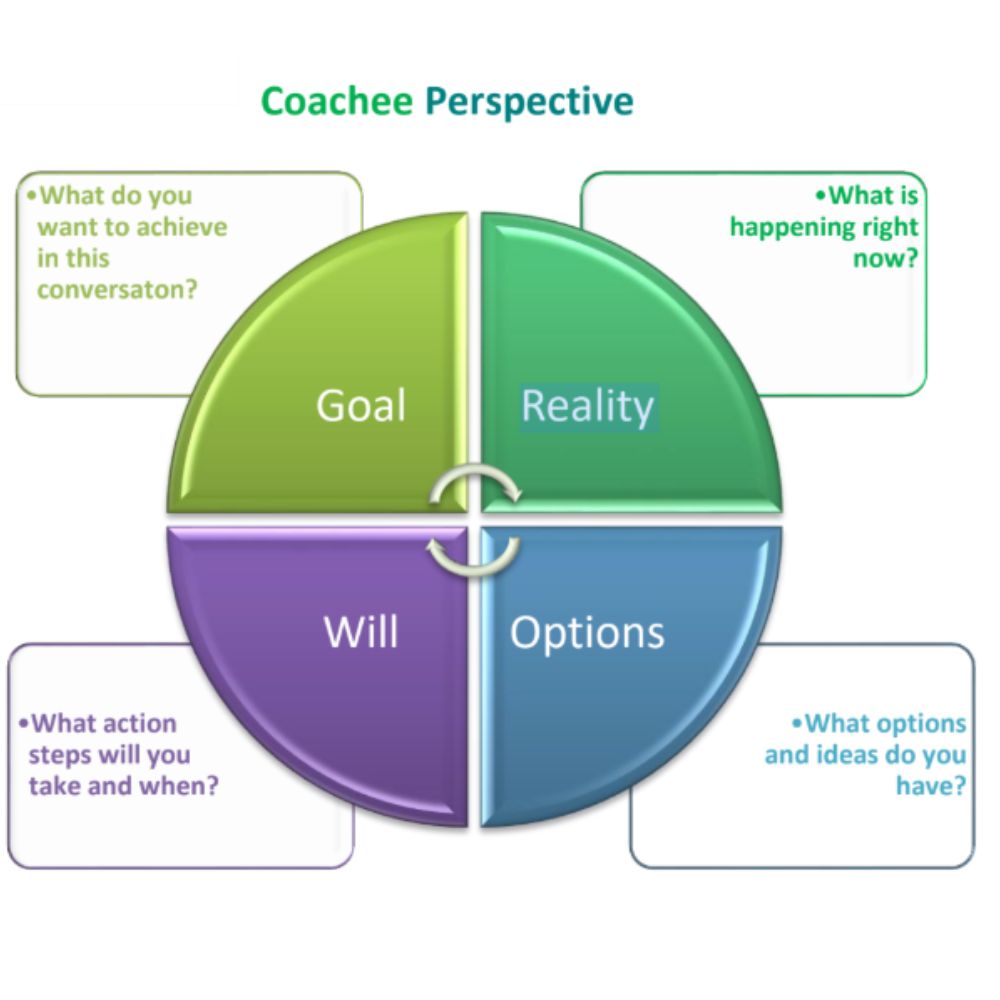
Summary

The Coach Approach to Leadership
Coaching is not just a technique—it is a discipline. As the saying goes, practice makes permanent. The more we intentionally practice coaching, the more natural, confident, and capable we become. Over time, what once felt like a new skill becomes an integrated part of our leadership style.
Within Rotary International, we are fortunate to practice coaching in a welcoming and supportive environment. Rotary offers a culture built on trust, service, and mutual respect—an ideal setting to grow as leaders. Here, we can refine our ability to listen deeply, ask meaningful questions, and empower others without fear of failure. It is a space where learning is encouraged and growth is celebrated.
As we continue practicing, we begin to recognize coaching’s true value. Members feel heard, supported, and motivated. Engagement deepens. Confidence expands. Solutions become collaborative rather than directive. At the same time, we grow as leaders—developing patience, empathy, and strategic thinking.
Coaching is not a one-time activity; it is an ongoing leadership practice with lasting impact. The more consistently we apply it, the more it shapes our culture and strengthens our organization. Through practice, coaching becomes not just something we do—but part of who we are as Rotary leaders.

Impact of Coaching in Rotary Leadership
The true value of coaching lies in its impact—both on the member being coached and on the leader who is growing through the process. In Rotary International, coaching conversations are more than exchanges of ideas; they are opportunities for mutual learning, development, and strengthened connection.
As coaching relationships develop, trust naturally deepens. With trust comes openness. Members feel safe exploring challenges, voicing aspirations, and reflecting honestly. For leaders, this trust builds credibility and strengthens their ability to guide without directing. The coaching experience becomes richer and more meaningful for both.
Over time, questions evolve. They move beyond surface-level topics—such as tasks, plans, and immediate ideas—and begin to explore deeper dimensions. Conversations shift toward examining behaviors, assumptions, and patterns that may be limiting growth or innovation. This deeper awareness encourages personal responsibility and unlocks new possibilities.
Coaching fosters a culture where curiosity replaces judgment, reflection replaces reaction, and collaboration replaces control. It empowers members to think critically, act intentionally, and contribute confidently.